


The Next Big Thing in Solar Power: Balcony Solar
August 2026
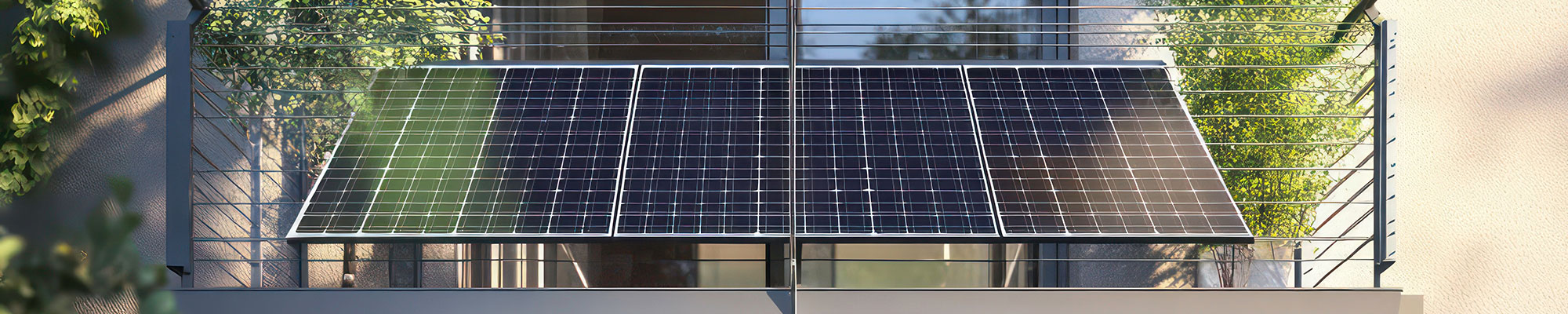
For decades residential solar photovoltaic systems have benefitted U.S. homeowners by reducing electricity bills through generating clean energy. Chester County's recent Climate Action Plan survey showed significant interest from residents in going solar, but that upfront costs remain a barrier. A new kind of solar might one day be the answer: plug-in Photovoltaic (PIPV) or 'balcony solar' systems. These systems plug into a standard wall outlet offering a more affordable way to adopt solar energy at home, whether you rent or own your home.
PIPV systems are gaining in popularity due to their low barrier to entry and potential cost savings, but there are currently no models that have obtained safety certifications from a U.S. certifier such as UL certification (although UL Solutions began testing full plug-in systems in January, and it is expected that one or more products will be certified in the near future). PIPV systems are wildly popular in Europe, with over 800,000 systems registered in Germany alone, but because of differences in our electrical systems European PIPV models cannot be safely used in the US.
In addition to needing safety certification, states must explicitly authorize their use and exempt them from the utility interconnection process. In 2025 Utah became the first state to legalize plug-in solar energy, with nine other states following suit. Several other states, including Pennsylvania, are considering legislation. Representatives in the PA House introduced House Bill 1971, which would permit portable solar systems up to 1,200W to connect via standard outlets once a product obtains a national safety certification, such as UL certification.
With rising electricity costs, plug-in solar PV systems offer an easy-to-use and more attainable alternative to rooftop solar for homeowners and renters. Once products are on the market that are certified for use in U.S. homes and legislation permits their use, these systems will likely follow the same trajectory they did in Europe and pop up in communities everywhere.