


Solar for Residential and Commercial
Steps for Going Solar
(1) Determine your site's solar potential
Putting solar panels on your property could lower your energy costs and increase the value of your property. The first step is to assess if solar is right for your property is by considering the location of your solar panels, budget and solar potential. Knowing which municipality your project will be in is also important as the process of getting approval for your project varies by municipality.
Solar Calculators
Solar Calculators can help you get an idea of whether your roof is suitable for solar based on its size, orientation and other factors.
- PECO Solar eCalculator
- EnergySage Solar Calculator
- Google's Project Sunroof tool provides an estimate of the system size that could be possible on your roof. Only eastern Chester County is currently covered by their analysis.
- Reach out to the volunteers at Solarize Southeast PA to get a free solar analysis and advice on the process of going solar.
Roof Mounted or Ground Mounted?
Solar panels can be roof-mounted or ground-mounted. The panels can last up to 30 years, so if your roof has less than 10 years until replacement it's a good idea to talk to a roofing expert to assess its condition. Roofs with a south-facing side and little to no shading produce the most energy, although east and west facing roofs can also offset electricity needs.
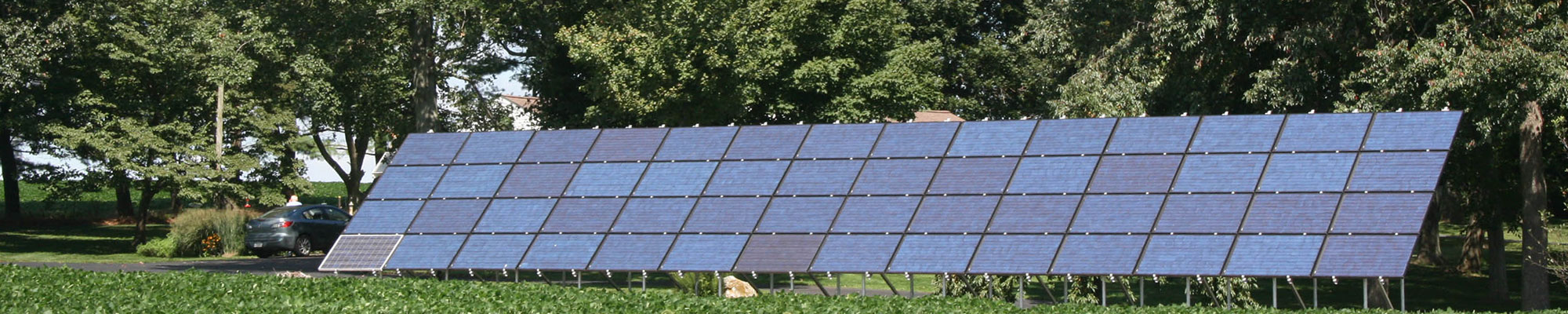
Ground mounted solar panels require space and generally cost more than roof-mounted systems to install. However, a ground-mounted system can maximize your energy production if your roof conditions are not ideal. Ground mounted panels designed as a carport can be a great way to charge an electric vehicle, too. For more information check out EnergySage's top 3 things to know about ground mounted solar panels.
Connecting to the Grid
Certain locations may be easier to interconnect to the grid than others depending on the condition and capacity of the distribution lines outside your house or business. PECO customers can view an interconnection viability map to get an idea of whether connecting to the grid might present any issues. After selecting a contractor, be sure they've coordinated with your electric distribution company (eg., PECO) prior to committing to any non-refundable costs.
Know the Costs
- According to energysage.com, as of June 2023, the average cost for installing solar panels in PA was $3.02/watt(W).
- Given an average system size of 5kW, an average installation cost in PA ranges from $12,835-$17,365 with a market average of $15,100. This does not include the 30% federal investment tax credit and other state and local solar incentives, which can reduce the upfront cost by thousands of dollars.
- The average payback period is just under 10 years, with over $25,000 in savings over 20 years (this depends on your electricity usage, price you pay for electricity from the grid, and solar panel output).
(2) Prepare
Selecting a contractor
PECO offers tips for selecting a qualified contractor, and refers to the Mid-Atlantic Renewable Energy Association's list of contractors. The North American Board of Certified Energy Practitioners (NABCEP) also maintains a list of board certified solar PV installers by state. Additionally, the PA Solar Center also maintains a directory of qualified solar developers in PA.
Paying for solar
There are three main models for paying for solar power: cash purchase, solar loan, and solar lease/power purchase agreement. For more details on these options and to decide which is right for you, see EnergySage's solar financing page.
Your installer may offer their own financing options, but be sure to also do your own research. Solar United Neighbors provides guidance on financing options on their website.
Additional Financing Options for Commercial Properties
- For large projects (generally over $500,000) on commercial properties, Chester County's Commercial Property Assessed Clean Energy program (C-PACE) may be an option for a long-term, lower interest loan.
- PA DCED's Solar Energy Program provides grant and loan funds to businesses, economic development organizations, and municipalities, counties, and schools to promote the use of solar energy in Pennsylvania.
- USDA's Rural Energy for America Program (REAP) provides grants and guaranteed loans for farms and for businesses in rural areas.
There are several available incentives for going solar that can significantly reduce the upfront cost.
- Federal Solar Tax Credit The Inflation Reduction Act of 2022 increased the federal tax credit to 30% for solar systems on residential properties. After 10 years, in 2032, the credit will be reduced to 26% percent.
- Solar Investment and Production Tax Credit The Inflation Reduction Act of 2022 increased and extended the Investment and Production Tax Credits, which are available to non-residential electricity users. The credit increases significantly when your contractor adheres to prevailing wage and apprenticeship standards, and/or if a project is constructed in a low income community or has an economic benefit for low-income communities.
- Solar Renewable Energy Certificates (SRECs) The renewable energy your panels produce has a value and can be traded. The price fluctuates but is measured in $ per MWh. Selling your SRECs can reduce the overall cost of your system.
- PECO solar incentive for commercial properties (any non-residential accounts) is $0.10/kWh that your system produces during its first year in operation. This incentive effectively reduces the payback timeline by about a year.
- Net Metering This state policy allows you to be charged only for the net amount of energy you use during each billing period. Net metering allows you to send electricity back into the grid to "bank" your solar energy when production exceeds your use and use it when the sun isn't shining.
(3) Permitting
First, work with your contractor to complete and submit your utility's interconnection application. View information about PECO's interconnection request process or view MetEd's interconnection request process. Most municipal permit applications will require proof of your utility's consent to connect to the grid.
The permits you will need are determined by your municipality. Some require a building permit, some require a zoning permit, and some require both. Many municipalities also have land use criteria, such as setbacks and maximum height provisions, for solar energy systems within their zoning ordinances. Your contractor will design and engineer your system and prepare the documents required for permits with your municipality. Talk to your contractor about whether they will submit applications for permits or whether you should. The cost of permits varies by municipality but generally ranges from a few hundred dollars to over $1,000.
(4) Installation
Depending on the size of your system, installation typically takes from 1-3 days. Once the work is complete, your installer should schedule inspection by your municipality. After the system passes inspection, your installer will coordinate interconnection with your utility.
Talk to your installer about who should register your system to sell your solar renewable energy certificates (SRECs). You can register your system on this website to enable trading of your certificates.
Solar Rights and Access
Some states have Solar Access Laws that protect the rights of those wanting to go solar from restrictive local ordinances or homeowner's association rules. As of 2023 Pennsylvania does not have a Solar Access Law in place. Solar United Neighbors has more resources and information on this topic specific to Pennsylvania.
Consumer Protection Resources
The National Renewable Energy Lab (NREL) provides up-to-date information on the existing consumer protection landscape at the federal and state level for those who install solar PV systems, as well as other resources related to consumer education and financing.
Consumer Solar Checklist — a checklist for residential consumers considering solar energy from IREC, the Interstate Renewable Energy Council.
Clean Energy Consumer Bill of Rights — ensure a positive consumer experience by addressing important issues from IREC, the Interstate Renewable Energy Council.
Solar Customer Resource Portal — various resources from SEIA, the Solar Energy Industries Association for consumers to make an informed decision on how to go solar.
Solar Owner's Manual — information from Solar United Neighbors for current solar homeowners to ensure they are getting the most out of their system.